The concrete tension
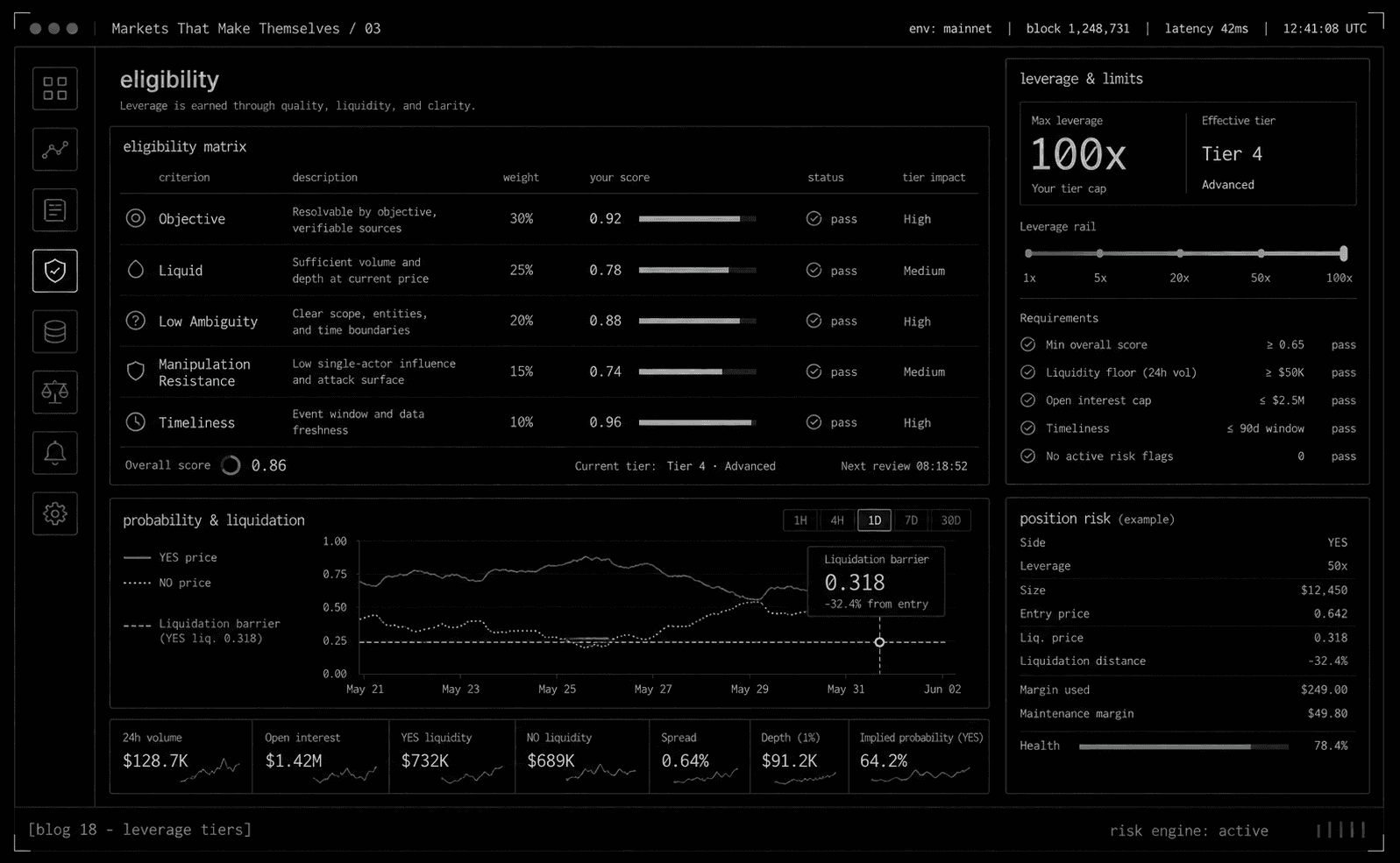
Leverage with eligibility looks small from the outside. Inside a live product, it becomes a decision about trust: what the user can see, what the team can operate, and what the system can safely promise while the ground is still moving.
What actually mattered
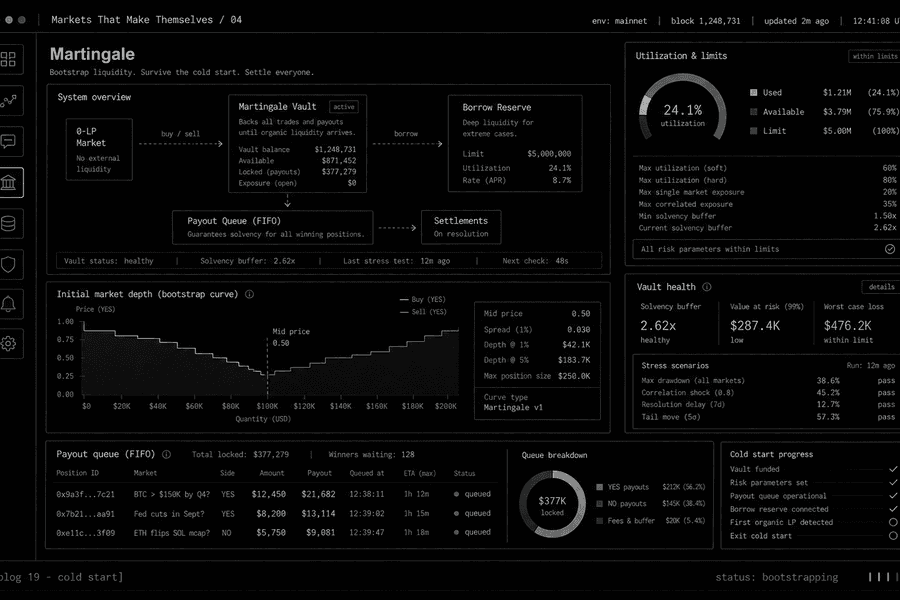
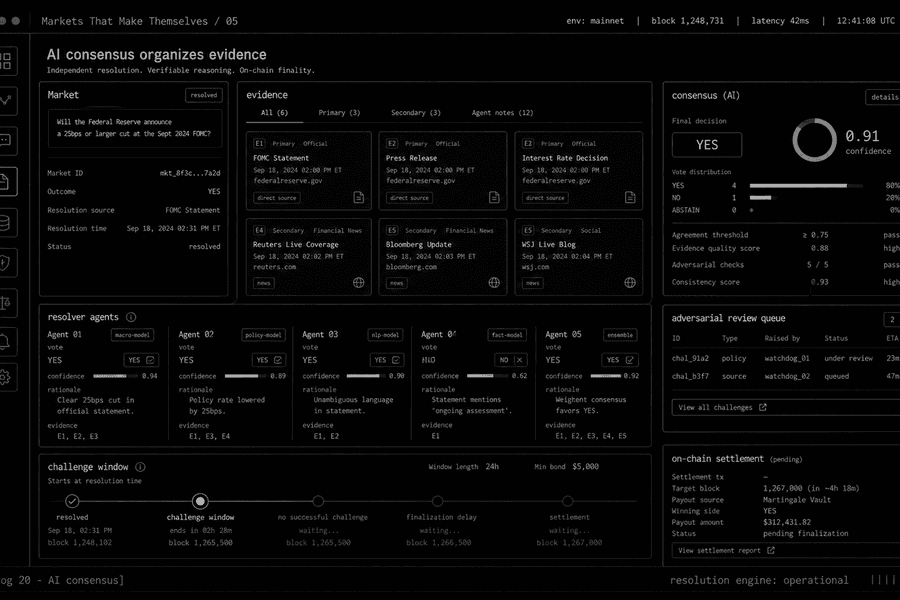
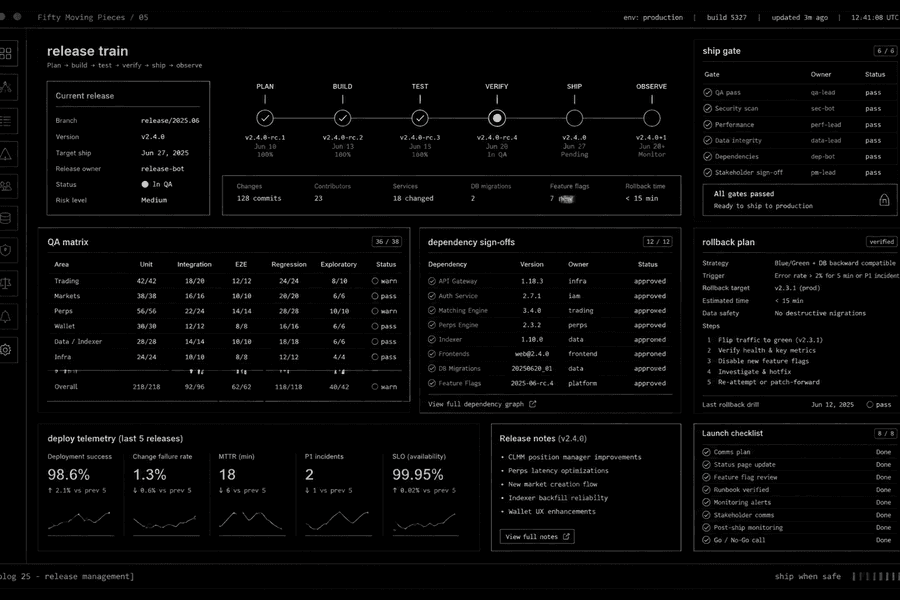
The work was rarely one clean feature. It was the machinery around the feature: risk parameters, indexers, route simulation, campaign analytics, partner coordination, release sequencing, and the translation layer between protocol behavior and interface behavior. If that machinery was weak, the UI could look finished and still feel fake.
The tradeoff I kept seeing
Speed mattered, but trust had compounding returns. A fast launch with drifting charts, unclear liquidity migration, slow execution, weak bridge messaging, or vanity campaign metrics teaches users the wrong lesson. The better move was usually less glamorous: instrument the behavior, expose the real constraint, and make the operating system carry more of the product load.
What I carry forward
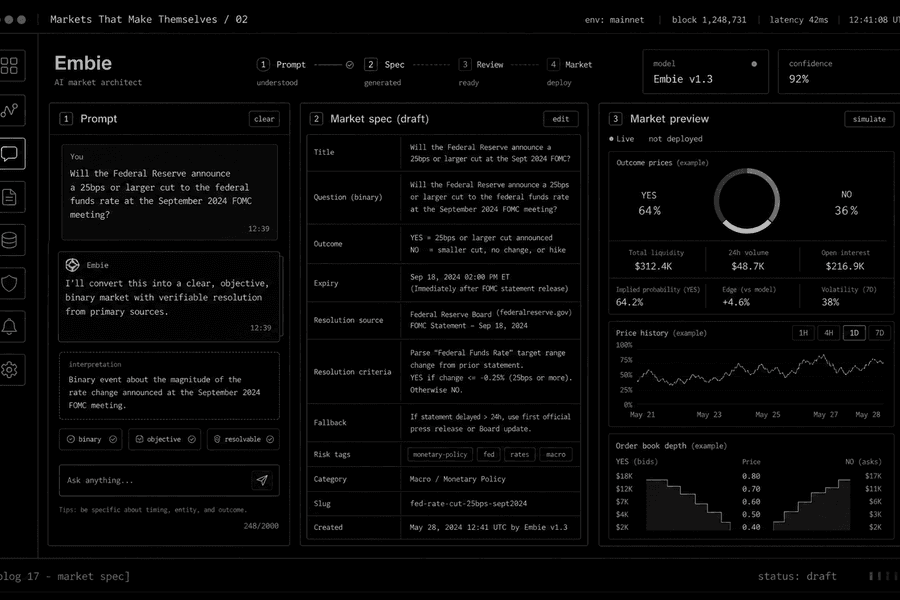
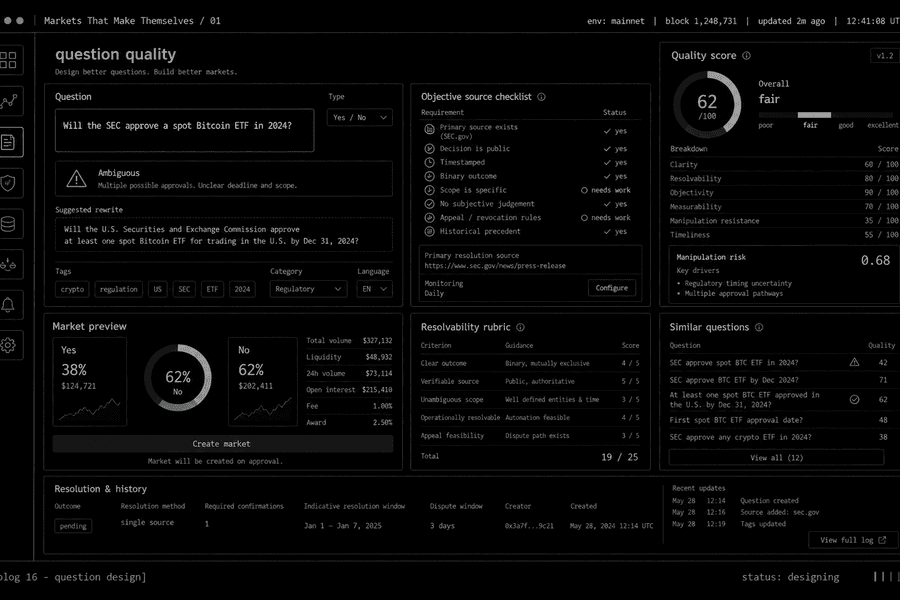
I do not think of this as making complex things look simple. I think of it as making complex things survivable: readable enough to use, specific enough to operate, and honest enough that users know where the risk lives. That is true whether the object is a CLMM range, a funding curve, a bridge warning, a prediction-market question, or a dependency graph across a live protocol team.